 An official website of the United States government
Affective Neuroscience and Pain Lab
Lab Members
Staff
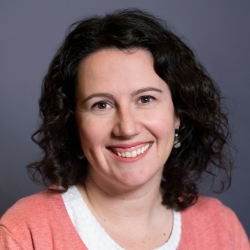
Lab Chief: Lauren Y. Atlas, Ph.D.
Dr. Atlas joined NCCIH in 2014 as a tenure-track clinical investigator and chief of the Affective Neuroscience and Pain Lab. She holds joint appointments with the National Institute of Mental Health (NIMH) and the National Institute on Drug Abuse (NIDA). Her laboratory uses a multimodal approach to investigate how expectations and learning influence pain and emotion, and how these factors influence clinical outcomes.
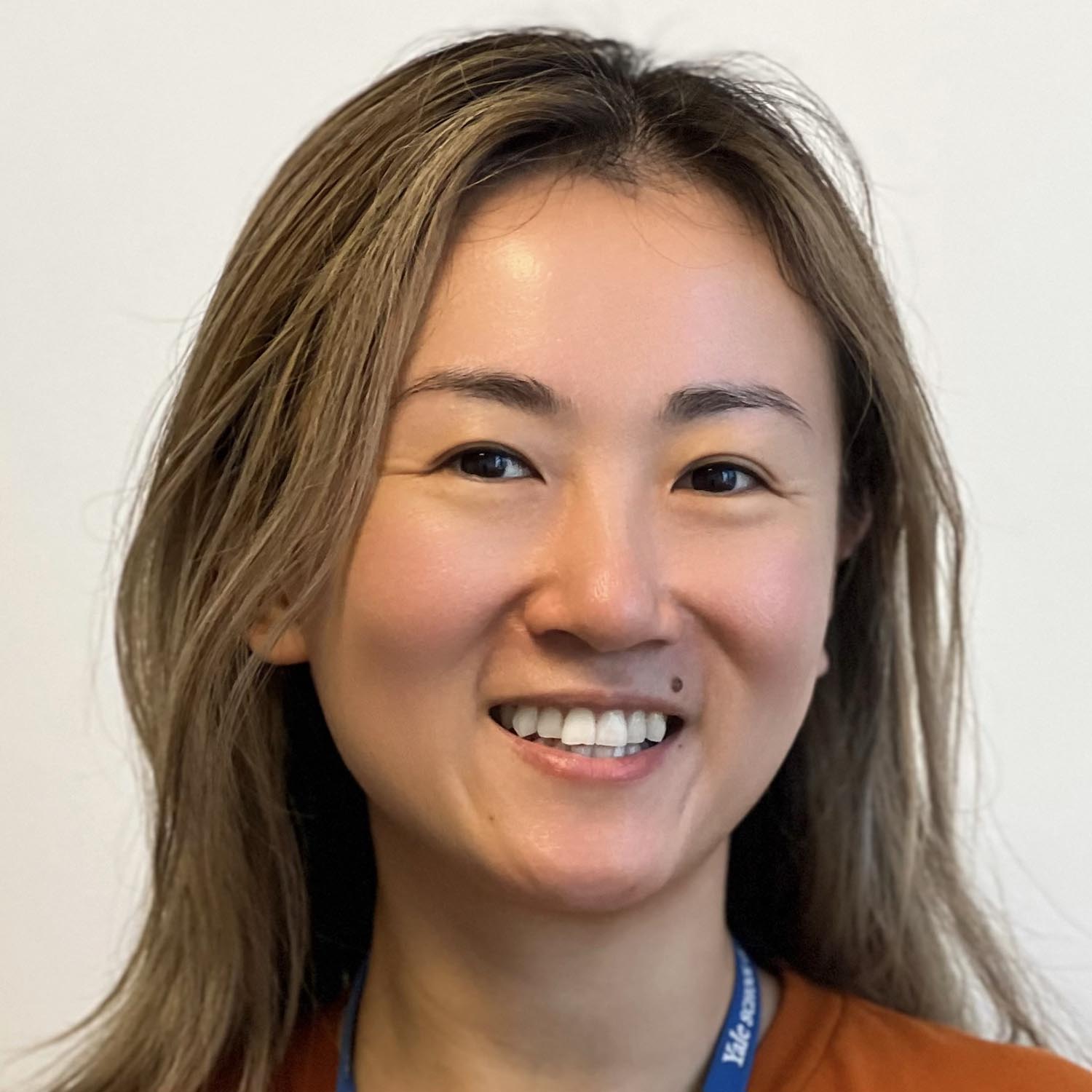
Xue Davis, Ph.D., Staff Scientist
Xue Davis, Ph.D., is a staff scientist specializing in human neuroimaging. She received her doctorate from Yale University where she studied ingestive behavior and food reward using chemosensory stimuli. She is passionate about efficient, reproducible, and robust experiment design and data analysis. In her free time, Xue enjoys hiking, travel, and tending to her houseplant collection.
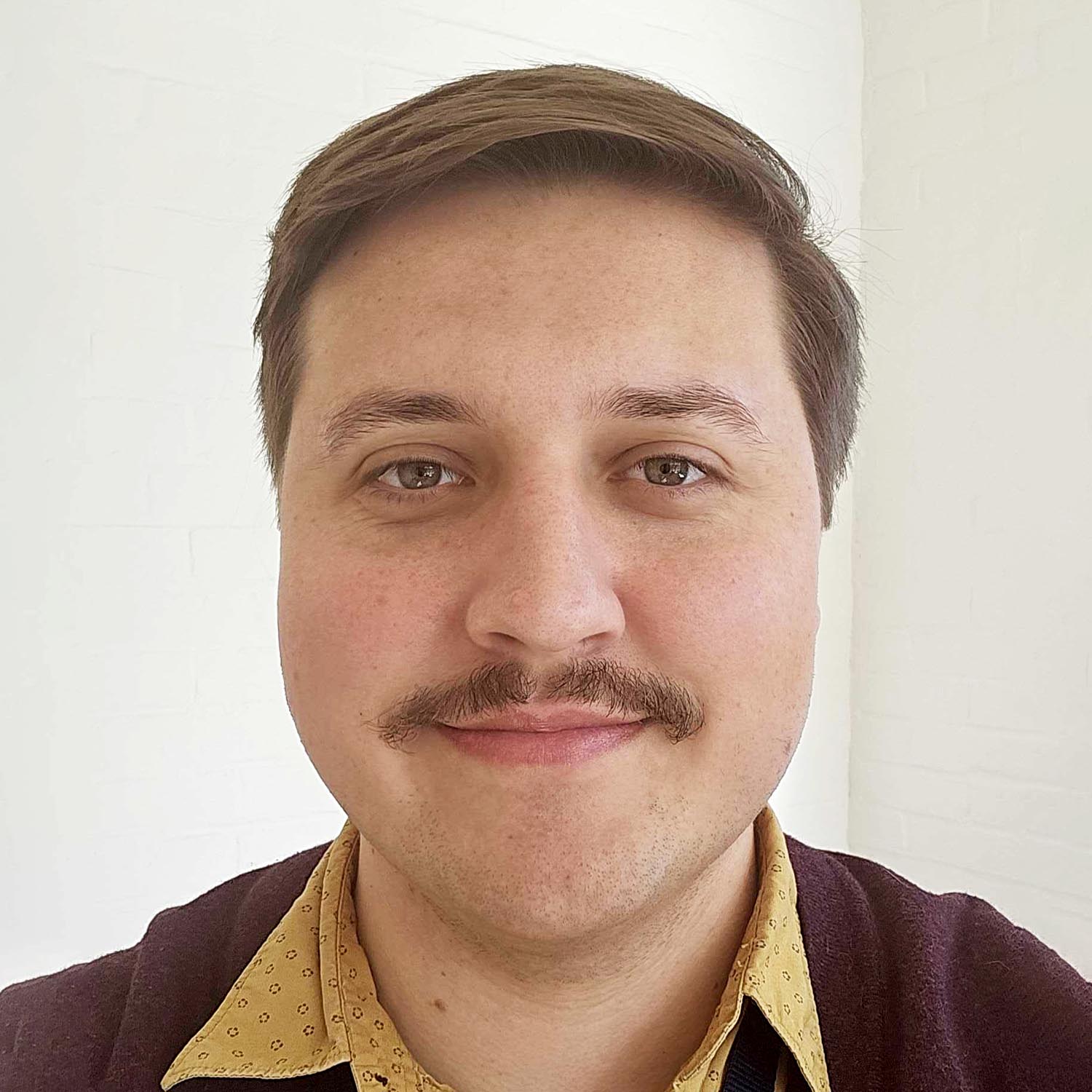
Grant Kern, Administrative Lab Manager
Grant Kern is an administrative lab manager for the Affective Neuroscience and Pain Lab. Grant received his M.S. in systems medicine from Georgetown University, where he analyzed cerebrospinal fluid metabolites in patients with Chronic Fatigue Syndrome and Gulf War Illness. He brings 4 years of experience working in a neuroscience diagnostic laboratory, where he tested skin punch biopsies to distinguish Alzheimer’s disease from other forms of dementia. As the company’s laboratory operations manager, he scaled the lab’s testing capacity, optimized protocols, and developed several diagnostic labs from the ground up to regulate laboratory environments. Grant leads with a people-centered approach, empowering teams to improve human health.
Trainees
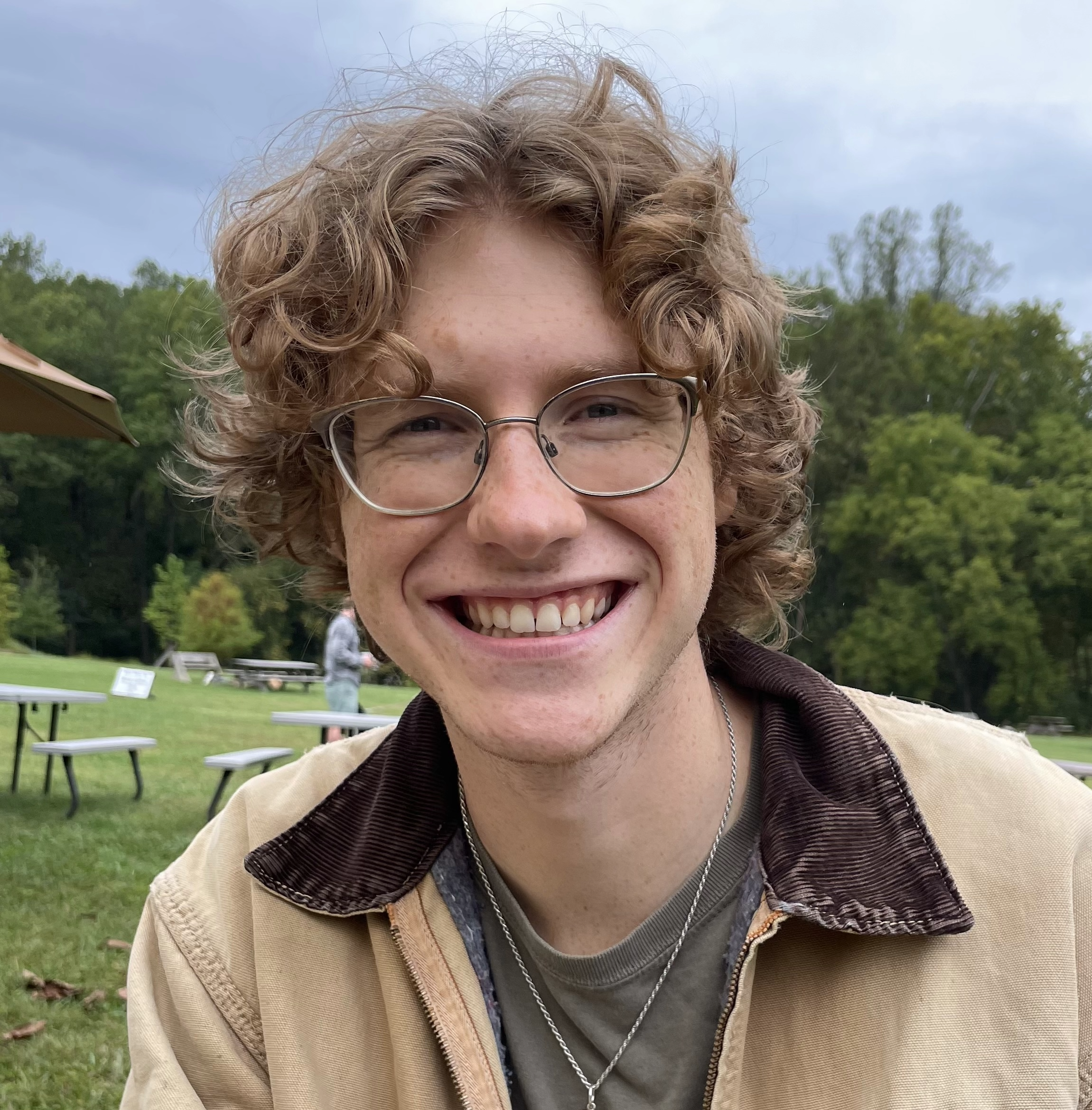
Nathan Chabin, Postbaccalaureate Intramural Research Training Award Fellow
Nathan Chabin is a Postbaccalaureate Intramural Research Training Award fellow in the Affective Neuroscience and Pain (ANP) Lab. Nathan is investigating individual differences in pain experience and pain-related decision making. He received his B.A. with honors in cognitive neuroscience and Spanish from Pitzer College. During his undergraduate career, Nathan conducted EEG investigations with the Pitzer Reward, Affect, and Decision Making Lab, focusing on emotion regulation, cognitive control, and working memory. Through multiple undergraduate fellowships conducted at the UCLA Neuroimaging and Addiction Treatment Lab, Nathan researched working memory and drug addiction using fMRI. That collaboration led to community-based mental health intervention research with an emphasis on social connection in underserved populations. He has presented his findings at the Social & Affective Neuroscience Society (2025), Cognitive Neuroscience Society (2025), Society for Psychophysiological Research (2023, 2025), Society for Neuroscience (2023), and Organization for Human Brain Mapping (2024) conferences. Nathan plans to build on his experience in the ANP Lab and study affect in relation to mental health and cognitive functions. He can be reached at nathaniel.chabin@nih.gov.

Katherine De Paz, Postbaccalaureate Intramural Research Training Award Fellow
Katherine De Paz is a postbaccalaureate Intramural Research Training Award fellow in the Affective Neuroscience and Pain (ANP) Lab. Katherine received a B.A. in cognitive sciences and psychology with a distinction in creative works and research from Rice University in 2025. As an undergrad, Katherine conducted emotion regulation training research with a focus on social support and interpersonal emotion regulation in the Translational Social Cognitive and Affective Neuroscience (T-SCAN) Lab under the supervision of Dr. Bryan Denny. Currently in the ANP Lab, Katherine is investigating how demographic and sociocultural factors influence perceptions and judgments regarding others' pain. In the future, Katherine plans to apply her research skills by studying how social relationships regulate emotional experiences by earning a Ph.D. in affective neuroscience.
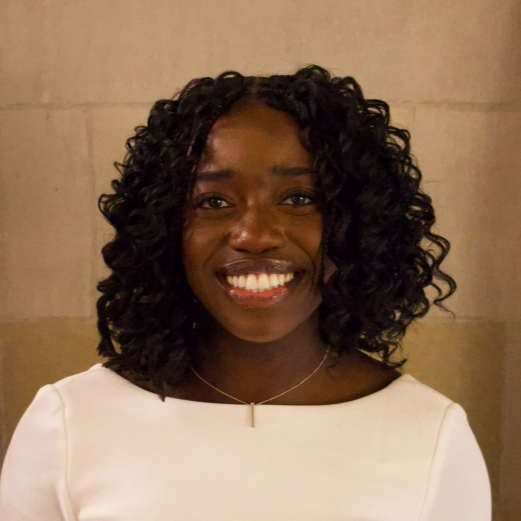
Nathania Nartey, Postbaccalaureate Intramural Research Training Award Fellow
Nathania Nartey is a postbaccalaureate Intramural Research Training Award research fellow who is currently investigating the relationship between noxious stimulation, reported pain, and facial expression. In 2025, Nathania received her B.S., with distinction, from Yale University in neuroscience. Throughout the duration of her undergraduate career, she worked at the Yale Translational Brain Imaging Program under Dr. Kelly Cosgrove and Dr. Yasmin Zakiniaeiz. During her time with this lab, she studied sex differences in alcohol use disorder (AUD) and completed her thesis work by continuing to investigate these differences along with the potential influence of social determinants of health factors on AUD severity. With a future goal of being a physician, Nathania has an overarching commitment to health equity and of implementing a philosophy of care that is centered around the patient. She is interested in neurology and dermatology. Nathania is interested in applying what she learns about pain in the Affective Neuroscience and Pain (ANP) Lab to facilitate better recognition of pain in future patients. She is also extremely interested in the different avenues for potential clinical interventions regarding pain. She can be reached at nathania.nartey@nih.gov.

Yi Wei, Predoctoral Visiting Fellow
Yi Wei is a predoctoral visiting fellow in the Affective Neuroscience and Pain (ANP) Lab at the National Center for Complementary and Integrative Health. She is participating in the individual graduate partnership program as a graduate student in the neuroscience and cognitive science program at the University of Maryland. Yi received her bachelor of science in psychology from the University of Maryland in May 2024. Currently in the ANP Lab, Yi is investigating pain-related decision making and, more generally, decision making in the domain of negative valence. She can be reached at yi.wei2@nih.gov.

Marie Zelenina, Postdoctoral Fellow
Marie Zelenina joined the Affective Neuroscience and Pain (ANP) Lab and the National Center for Complementary and Integrative Health in the summer of 2025 after completing her Ph.D. in biomedical engineering at the National Institutes of Mental Health and the University of Lisbon (Portugal). At ANP, she applies machine learning and data science tools to analyze facial expressions in people experiencing pain, aiming to advance understanding of nonverbal pain expression and improve pain detection methods.
Combining her background in machine learning (M.Sc. Artificial Intelligence) and Neuroscience (M.Sc. Neurobiology), Marie takes an interdisciplinary approach to health and medical research. Her Ph.D. work focused on using data science methods to validate measurements of depression, establishing a robust methodological framework for depression research. Previously, she analyzed human pharmaco-EEG data and worked on eye tracking data for a natural language processing task.
Outside the lab, Marie enjoys hiking in Shenandoah National Park, exploring art museums in Washington, D.C., or curling up with a good book. She can be reached at marie.zelenina@nih.gov.

Yili Zhao, Ph.D., Visiting Postdoctoral Fellow
Yili Zhao, Ph.D., is a visiting postdoctoral fellow who is currently investigating the neural mechanisms underlying learning process of pain and other negative emotions. Yili received her M.Sc. in psychology from Chinese Academy of Sciences under the mentorship of Dr. Wencai Zhang, where she studied the placebo effects on pain, noise, and other unpleasant experiences. she then moved to Europe and received her Ph.D. in natural sciences (psychology) from University of Vienna under the mentorship of Dr. Claus Lamm, where her research was focused on neural mechanisms of empathy for pain and emotion identifications on pain and disgust. Specifically, she uses a wide range of research approaches including behavioral measures, univariate and multi-voxel fMRI analysis, computational modeling, and psychopharmacological administration. She can be reached at yili.zhao@nih.gov.